
A Multifaceted Development Shaping the North End of Airport Road
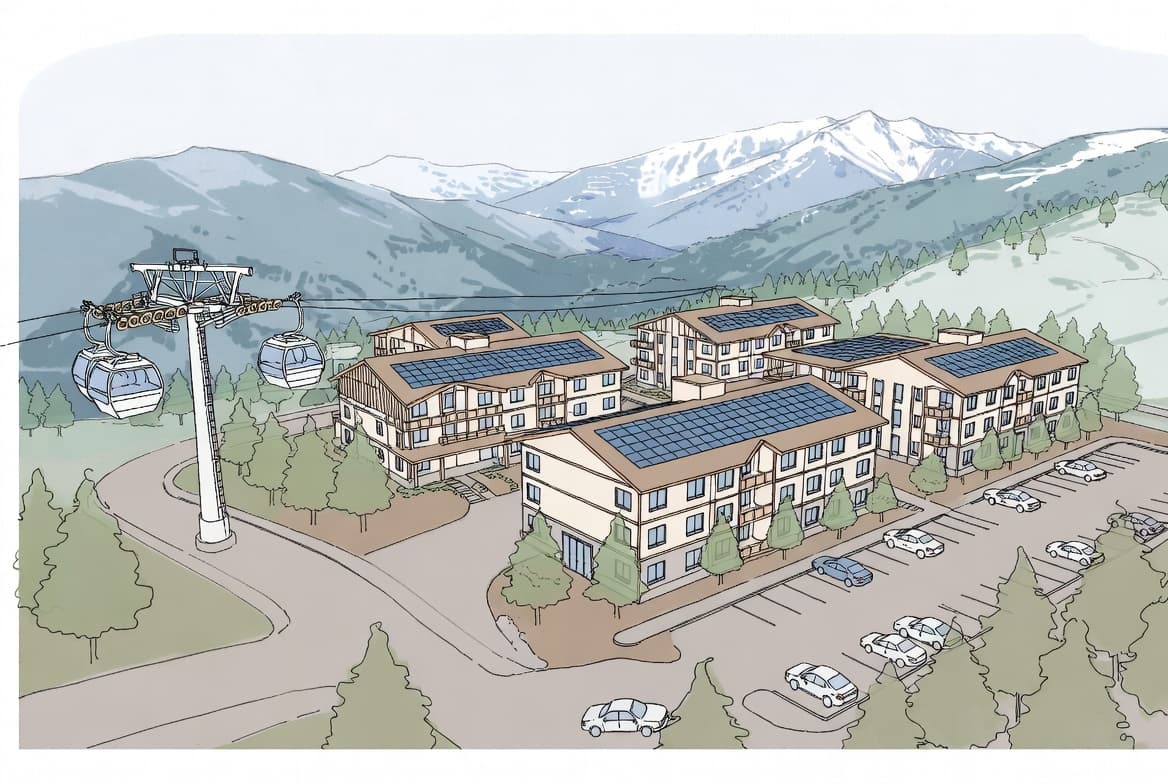
Breckenridge, Colorado, known for its world-class skiing and historic charm, is no stranger to balancing growth with preservation. While the Runway Neighborhood south of Coyne Valley Road addresses urgent workforce housing needs, a larger, more diverse project unfolds to the north: the McCain Property. This 128-acre town-owned parcel, situated off Colorado Highway 9 just north of Coyne Valley Road, represents a "huge" ongoing transformation. Once home to informal overflow skier parking and tied to the area's mining history, the McCain Property is evolving into a blend of affordable housing, recreational open space, and essential infrastructure. Drawing from town documents, news reports, and planning materials, this post uncovers every detail—from its roots to its ripple effects—for locals, visitors, and anyone curious about how this development could redefine Breckenridge's northern gateway.
The History and Background of the McCain Property
The McCain Property's story begins with Breckenridge's commitment to open space and community needs. Named after its former owners, the McCain family, the town acquired the 128-acre parcel in 2000 for strategic land use amid growing tourism pressures. Originally part of the Upper Blue River valley floor, the site bears scars from historic dredge mining, with "dredge rock" fill up to 30 feet deep and unstable slopes shaping its terrain.
In 1996, voters approved a 0.5% sales tax for open space acquisition, leading to the formation of the Breckenridge Open Space & Trails (OST) program in 1997. This initiative has since protected over 5,200 acres, with McCain as a key holding. The first master plan emerged in 2001, focusing on mixed uses like housing, utilities, and recreation. Revisions in 2013, 2015, and 2021 refined the vision, allocating space for a water treatment plant, solar gardens, public works, overflow parking, and affordable housing while preserving open space and a Blue River habitat corridor.
By 2019, workforce housing took center stage with the selection of a developer for net-zero units. In 2021, the town spent $115,000 from its Open Space fund to secure 15 additional acres for preservation. Recent drivers include relocating skier parking from the Runway site (2025 land swap with Summit School District) and enhancing open space amid economic shifts. Today, McCain stands as Breckenridge's largest undeveloped valley-floor property, blending utility with natural restoration.
Need a Professional Workspace While Exploring Breckenridge Developments?
If you're researching the McCain Property, Runway Neighborhood, or other housing and infrastructure projects in Breckenridge, you'll likely need a productive place to work during site visits, meetings with developers, or while planning your move. Remote workers, real estate professionals, and anyone building a life here benefit from a dedicated space away from temporary rentals.
Breckworks (conveniently located near Airport Road and these north-end projects) offers:
- Reliable gigabit internet with backup for video calls and focused work.
- Free parking — ideal when you're driving around to multiple development sites.
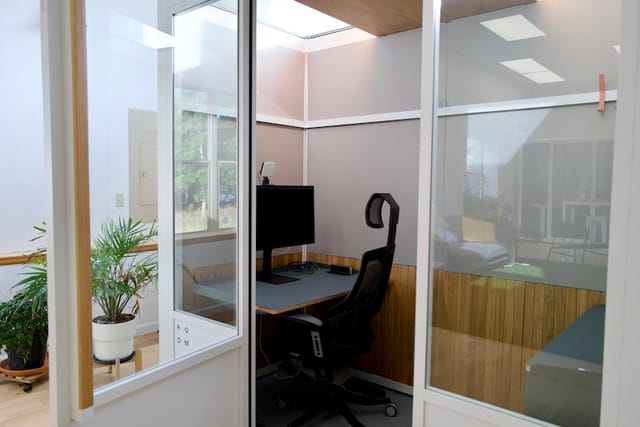
- Professional environment with monitors, meeting rooms, and quiet zones.
- Hours that fit a full day of research or remote work (8am–5pm).
Many people visiting for housing searches or local projects choose us as their base so they can stay productive while experiencing Breckenridge life.
Book workspace while house-hunting or site-visiting →
See private offices suited for professionals relocating →
Check amenities built for mountain remote work →
What's Being Built: A Balanced Mix of Housing, Parking, and Nature
The McCain Property isn't a singular build but a zoned master-planned area divided into tracts for diverse uses. Approximately 50 acres are dedicated to open space (Tract 8), with the rest supporting community infrastructure.
Workforce Housing: Phases like Alta Verde (Phase II, 172 units in four buildings, 2022 groundbreaking) and Vista Verde (70 units, total cost $75 million) provide one- to three-bedroom apartments for 80-120% AMI households. These are net-zero, all-electric with geothermal heating, no natural gas. Amenities include parks, trails, fitness rooms, and bus access.
Skier Parking: Tract 7 (10 acres) now hosts a 500-spot free lot (down from 1,000 at the old site), opened for the 2025-26 season. Includes bus service to Breckenridge Ski Resort.
Open Space and Recreation: Natural and hardened trails for hiking/biking, paved rec path realignment, gathering places, all-persons accessible trail, formalized Blue River access, interpretive panels (with Braille), and "discovery" play areas using landforms for unstructured play. No motorized use; focus on passive recreation. Beginner bike loop, trailhead amenities ($550,000), and a park ($1.2 million).
Other Features: Sol Center (nonprofit hub, 2021), road realignments, floodplain improvements, and potential solar/public works from earlier plans.
The layout preserves the western Blue River corridor while developing the eastern side nearer Highway 9.
Timeline and Progress So Far
Development has unfolded in phases:
2000-2015: Acquisition, initial master plan (2001), revisions (2013, 2015) for utilities and open space.
2019-2023: Housing developer selected (2019); Alta Verde groundbreaking (2022); 15-acre open space purchase (2021); OST Master Plan (2023).
2024-2025: Road construction, floodplain work; skier parking relocation (fall 2025 build, open 2025-26); Open Space RFP (Feb 2025), proposals due March 2025, plan completion by Dec 2025.
Ongoing (2026): Bridge on Lower Peaks Trail; bike loop/trailhead start; potential housing expansions.
Future: Full open space unveiling (2027); possible name change.
Progress includes completed housing phases, new roads, and community feedback on designs (e.g., Oct 2025 meeting).
Key Players and Companies Involved
The Town of Breckenridge leads via its Open Space & Trails division, Community Development Department, and Town Council. Key figures: Open Space Manager Duke Barlow, Community Development Director Peter Grosshuesch (historical).
Developers/Contractors: Gorman & Company for workforce housing (Alta Verde, Vista Verde).
Consultants: THK Associates for open space design and management plan.
Partners: Summit School District (land swap for parking); Breckenridge Ski Resort (bus service for parking); Family and Intercultural Resource Center (Sol Center); Breckenridge Open Space Advisory Commission (BOSAC).
The RFP process invites firms for open space planning, emphasizing experienced teams.
Financial Aspects: Subsidies, Costs, and Funding
McCain's development draws from town budgets, grants, and partnerships. No overarching budget, but piecemeal:
Housing: Alta Verde Phase II (~$75 million total, town partnership); subsidies for net-zero features.
Parking: Part of $5 million 2023-2025 capital plan; land swap valued at 35 housing units (~$15-20 million equivalent).
Open Space: $115,000 for 15 acres (2021); bike loop/trailhead $550,000 (2025 start); park $1.2 million; no specific design budget in 2025 RFP. Funded via OST sales tax (0.5%).
Overall, integrated into town's $148-157 million annual budgets (2025-2026), with deficits covered by reserves amid tourism dips. Grants sought for housing affordability.
Technical and Design Details
McCain emphasizes sustainability:
Net-Zero Housing: Geothermal heating, solar-ready, efficient builds to offset emissions.
Open Space: Ecological surveys map vegetation, habitats, soils, hydrology. Designs include resilient landscapes, floodplain avoidance, invasive species control. Trails: natural surface, hardened for durability; accessible features like all-persons paths.
Infrastructure: Road pavements, river realignments for flood control; no utilities on open space tracts.
FEMA floodplain updates (2025) guide builds.
Environmental Considerations and Impacts
No formal EIS mentioned, but plans include site assessments and adaptive management. The site's mining history poses challenges like dredge fill and water quality issues, addressed through restoration.
Positive: Preserves riparian corridors, restores landscapes, limits social trails to protect habitats. Enhances water quality, biodiversity.
Negative: Potential runoff from parking, habitat disruption during construction. Floodplain constraints limit builds.
Overall, the project prioritizes conservation, with no known contaminants.
Impact on Local Wildlife, the Ski Resort, and Surrounding Areas
The Blue River corridor is a vital wildlife migration route for elk, deer, moose, birds, and fish. Plans map habitats and prohibit disturbances on the west side, maintaining a no-trail zone since 2000. Designated river access minimizes impacts, while restoration could boost ecosystems.
For Breckenridge Ski Resort, the relocated parking (5 miles north) reduces capacity but includes free shuttles. This might inconvenience day-skiers, potentially deterring some visitors amid declining tourism. However, workforce housing supports resort staff retention.
Nearby neighborhoods (Silver Shekel, Vista Verde) gain trail access but face traffic from parking/users. Increased density could strain roads like Coyne Valley.
Broader Impacts on the Town, Neighborhoods, People, and Tourism
McCain bolsters Breckenridge's sustainability and livability:
On the Town: Adds 200+ housing units for workforce, stabilizing economy amid tourism dips (3% sales tax decline projected 2026). Open space enhances quality of life, attracting eco-tourists.
On Neighborhoods and People: Inclusive recreation (accessible trails) benefits all ages/abilities. Housing aids locals, but development risks overbuilding perceptions.
On Tourism: Parking relocation may reduce skier visits, impacting businesses (e.g., lodging concerns over visitor deterrence). Conversely, new trails and nature access could boost year-round appeal, complementing the resort's status as North America's most visited.
Economic headwinds paused related projects like the Runway Neighborhood, highlighting McCain's role in resilient planning.
Future Outlook for the Project
By 2027, open space will open fully, with trails, playscapes, and river features. Housing may expand if economics allow. A name change is under consideration to reflect community identity over former owners. Long-term, McCain could model integrated development, preserving nature while supporting growth. If successful, it may inspire similar valley-floor projects, though officials stress avoiding overdevelopment.
How Locals Can Get Involved
Engagement is key to ensuring McCain benefits society. Attend BOSAC or Town Council meetings (e.g., plan presentations). Join community sessions (like Oct 2025 draft review) or submit feedback via surveys/workshops. Contact OST at openspace@townofbreckenridge.com or participate in RFP processes. Advocate for wildlife monitoring, traffic studies, or inclusive amenities to keep the project on track for sustainable, equitable outcomes.
In essence, the McCain Property embodies Breckenridge's forward-thinking ethos—harnessing a historic site for housing, recreation, and resilience. While challenges like tourism shifts and environmental stewardship persist, its potential to enrich the community is profound. For those invested in the town's future, McCain isn't just a project; it's a blueprint for balanced mountain living.
Looking for a place to work while in Breckenridge?
Reserve your coworking space in Breckenridge. Available on-demand. Equipped with high speed internet, external monitors, zoom cameras, sit-stand desks, ergonomic chairs, and coffee! Breckworks is a 5-star experience you would not find anywhere else.